Standard or with options? 7 things to know before adopting a poodle.
Published in Cats & Dogs News
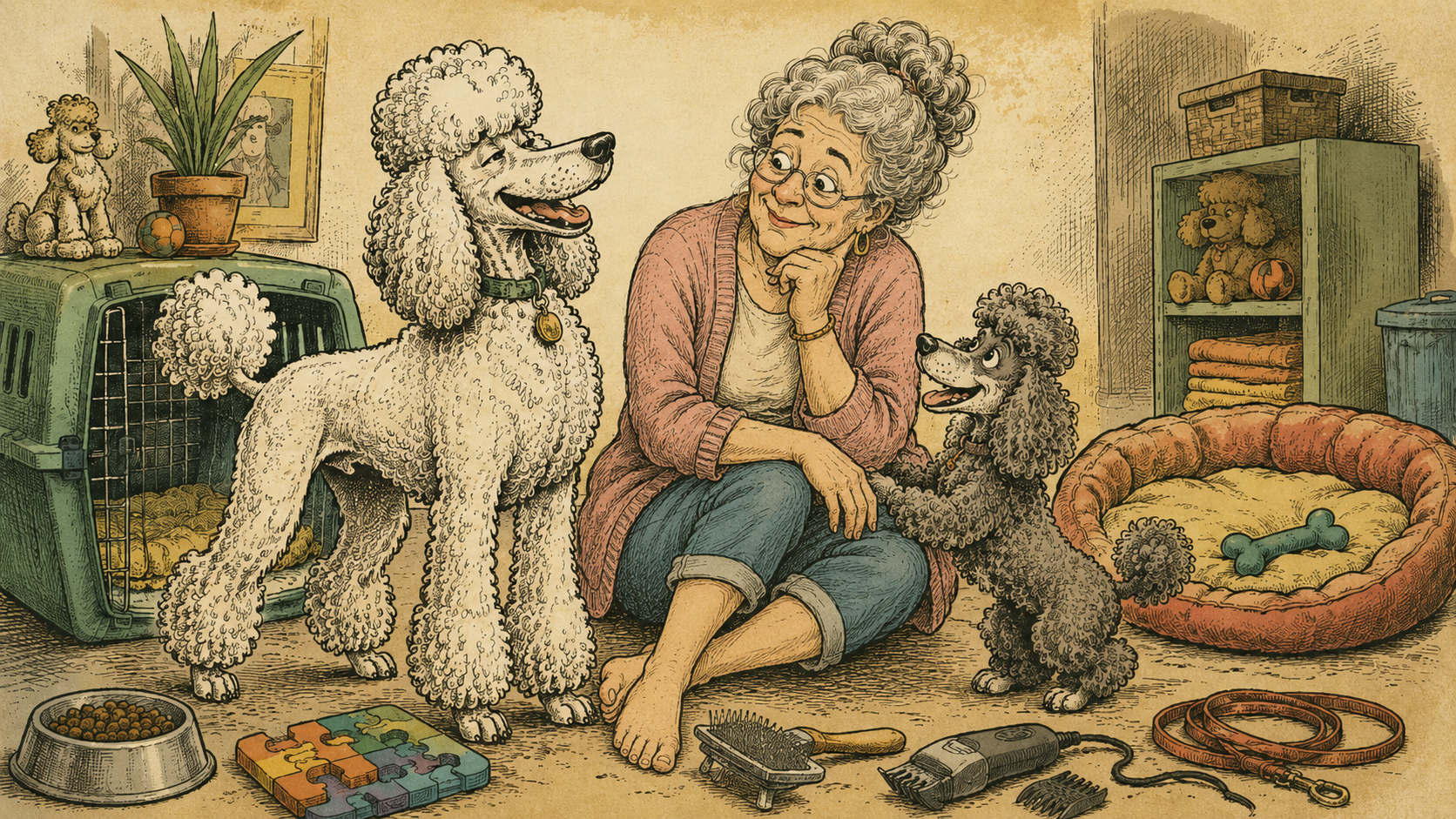
Poodles have a reputation problem, and it is not entirely their fault.
To some people, the word “poodle” still brings to mind a fussy show dog with a fancy haircut and an attitude. In reality, poodles are athletic, highly intelligent, people-focused dogs with working-dog roots and a surprising amount of versatility.
They can be wonderful companions for the right household. They can also be a poor fit for people who underestimate their grooming needs, energy level or mental sharpness. Before adopting a poodle, it helps to understand what makes the breed special — and what makes it challenging.
1. Poodles come in more than one size
The first decision is size. Poodles generally come in three recognized sizes: standard, miniature and toy. Some breeders and rescue groups also use terms such as “moyen” or “klein” for medium-sized poodles, though those labels are not recognized the same way everywhere.
A standard poodle is the largest option. Standards can be athletic, graceful and sturdy, often big enough for long walks, hikes and active family life. They may be a good choice for someone who wants a larger dog without some of the drool, odor or shedding common in other big breeds.
Miniature poodles are smaller but still lively and smart. They can fit well in apartments or smaller homes if they get enough exercise and attention.
Toy poodles are the smallest. They can be affectionate and charming, but their size makes them more physically delicate. Homes with very young children or rough larger dogs should be especially careful.
The right size depends on your lifestyle, mobility, home setup and comfort with grooming and handling.
2. The coat is a commitment
Poodles are often described as low-shedding, which is true compared with many breeds. But low-shedding does not mean low-maintenance.
A poodle’s curly coat keeps growing and can mat if it is not brushed, combed and clipped regularly. Mats are not just cosmetic. They can pull on the skin, trap moisture, hide sores and make grooming painful.
Most poodles need professional grooming every four to eight weeks, depending on the coat, cut and owner’s ability to maintain it at home. That cost should be part of the adoption budget.
The good news is that poodles do not need elaborate show clips. A simple kennel clip, puppy cut or short practical trim can keep the dog comfortable and easy to manage. The goal is not glamour. The goal is a clean, healthy coat.
Before adopting, ask yourself honestly whether you are willing to brush the dog, pay for grooming and keep up with ear and nail care.
3. They are smart — sometimes too smart
Poodles are among the most trainable dog breeds, but intelligence is not the same as automatic good behavior.
A smart dog learns quickly. That includes sit, stay and come. It also includes opening trash cans, manipulating softhearted humans, remembering loopholes and inventing household policies without permission.
Poodles often thrive with positive, consistent training. They like to understand what is expected of them. Harsh correction can make them anxious or resistant, while permissiveness can let them become pushy.
Training should begin early and continue throughout the dog’s life. Teach basic cues, polite greetings, leash manners, settle, leave it and recall. Mental exercise is just as important as physical exercise. Puzzle toys, scent games, trick training and short training sessions can help keep a poodle’s brain busy.
A bored poodle may become a problem-solving machine, and not always in ways the owner appreciates.
4. They need real exercise
Do not let the haircut fool you. Poodles are active dogs.
Standard poodles in particular often enjoy walks, running, swimming, fetch, agility, obedience and other activities. Many were bred from water retrievers, and some still love water work. Miniature and toy poodles also need exercise, though the amount and intensity should match their size and age.
A quick trip to the yard is usually not enough for a young, healthy poodle. Without enough movement and stimulation, a poodle may bark, pace, chew, dig or become anxious.
Older poodles may be calmer, and rescue poodles vary widely in energy level. That is one reason adopting an adult can be helpful. With an adult dog, you may have a clearer sense of the dog’s actual temperament.
The best poodle owners usually enjoy doing things with their dogs. A poodle often wants to be included, not parked in the background.
5. Consider allergies carefully
Poodles are often recommended for people with allergies because they shed less than many dogs. However, no dog is truly allergy-free.
People can react to dander, saliva, urine and proteins carried on the coat. A poodle may be easier for some allergy sufferers to live with, but reactions vary.
If allergies are a major concern, spend time around poodles before adopting. Visit the specific dog if possible. Some people tolerate one dog better than another, even within the same breed.
Regular grooming, bathing, vacuuming and air filtration may help, but they cannot guarantee an allergy-free home. It is better to find out before adoption than to put the dog through the stress of being returned.
6. Rescue poodles may come with history
Adopting a poodle from a shelter or rescue can be deeply rewarding. Some are surrendered because of family changes, illness, cost or lack of time. Others come from neglectful situations, puppy mills or homes that did not understand the breed.
A rescue poodle may arrive anxious, under-socialized, matted, shy, clingy or poorly trained. Some may have separation anxiety. Others may be perfectly well-adjusted and simply need a new home.
Ask questions. Has the dog lived with children, cats or other dogs? Is the dog crate-trained? Does it guard food or toys? Is it house-trained? How does it handle grooming, vet care, strangers and being left alone?
A good rescue will not pretend every dog is perfect. It will help match the dog to the right household.
Be patient during the adjustment period. A newly adopted poodle may need weeks or months to fully relax and show its personality.
7. Poodles need companionship
Poodles often bond closely with their people. That can be wonderful. It can also mean they do not do well if left alone for long stretches without preparation.
A poodle who is lonely or anxious may bark, whine, chew, scratch doors or become frantic when the owner leaves. This is especially important for people who work long hours away from home.
That does not mean poodles cannot be alone. It means they need gradual training, predictable routines and enough physical and mental activity. Some do well with dog walkers, dog day care, safe enrichment toys or another compatible pet. Others prefer a quieter home with a human who is around often.
Before adopting, think about your daily schedule. A poodle may be a stylish dog, but it is not a decorative one. It wants relationship, interaction and a place in the family rhythm.
The right poodle can be funny, elegant, athletic, affectionate and almost unnervingly clever. But the breed asks for investment: grooming, training, exercise, companionship and attention.
Standard or smaller, fancy or practical, puppy or senior, a poodle is best for someone who wants an engaged companion rather than a low-effort pet. Do your homework, meet the dog in front of you and be honest about your life. The perfect poodle is not the one with the prettiest coat. It is the one whose needs and personality fit the home you can actually provide.
========
Elowen Hartley writes about pets, home life and the practical questions families should ask before bringing animals into their lives. She has a special interest in rescue dogs, senior pets and the everyday routines that help animals thrive. This article was written, in part, utilizing AI tools.







Comments