Tips for adopting a anxious or abused dog
Published in Cats & Dogs News
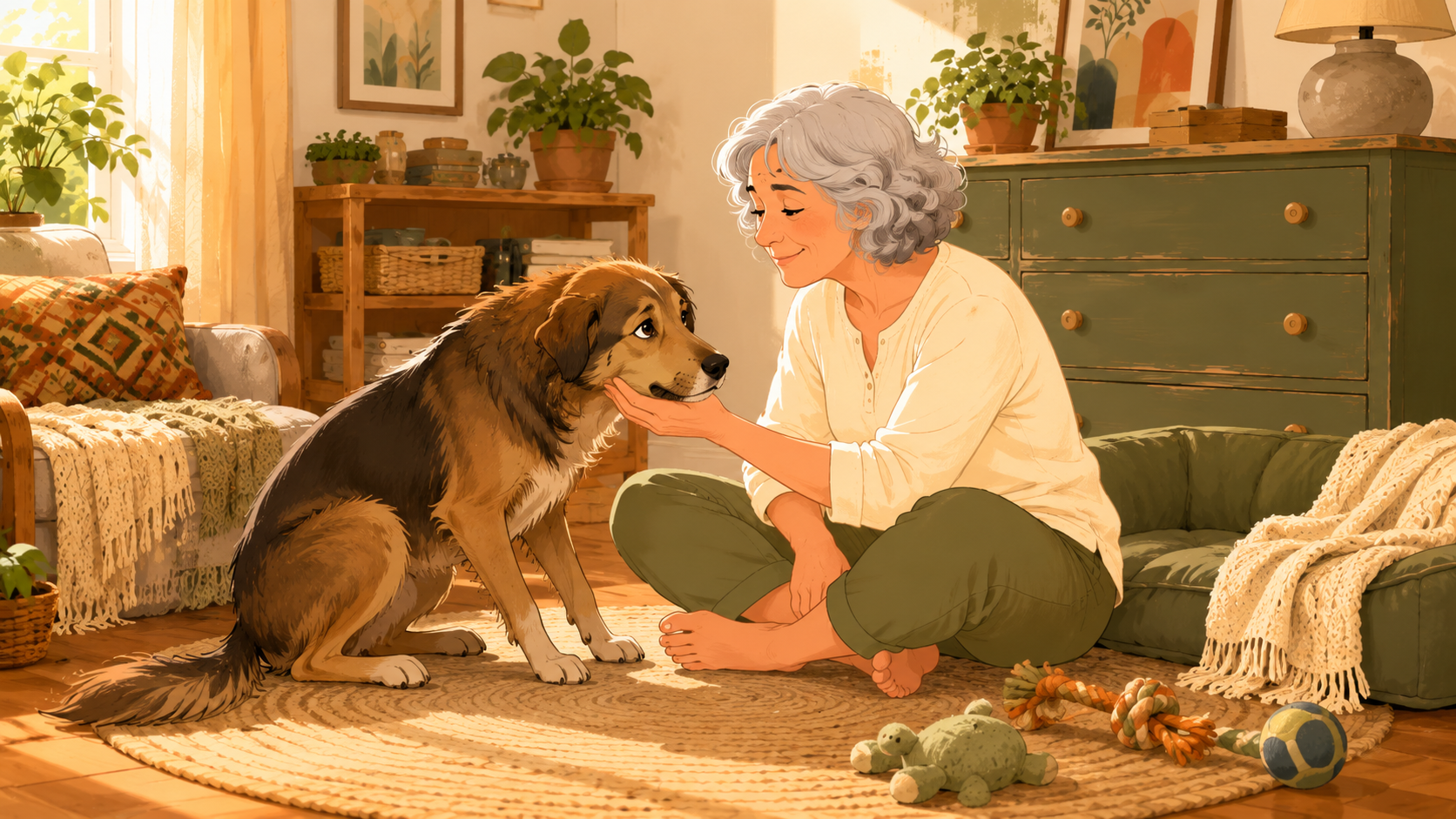
Adopting an anxious or abused dog can be one of the most rewarding decisions a person makes, but it requires patience, humility and realistic expectations.
A dog with a hard past may not understand that a new home is safe. He may flinch at raised hands, hide from visitors, guard food, freeze on walks, panic when left alone or seem shut down for days. Some dogs arrive with obvious trauma. Others simply seem uncertain, as if they are waiting for the next bad thing to happen.
The goal is not to “fix” the dog overnight. The goal is to become predictable, gentle and steady enough that the dog can slowly believe life has changed.
Start with a quiet landing
The first days should be calm. Avoid the temptation to introduce the dog to everyone, take him on errands or give him access to the whole house at once. Even happy attention can feel overwhelming to a dog whose nervous system is already on high alert.
Set up a quiet space with a bed, water, food, toys and an open crate if the dog finds crates comforting. A spare room, gated corner or quiet den can work well. Let the dog observe the household from a safe distance before expecting him to participate.
Keep voices soft and movement predictable. Do not crowd, hug, loom over or force eye contact. Many anxious dogs need to learn that humans can be nearby without demanding anything.
Use routine as reassurance
A nervous dog benefits from knowing what happens next. Feed meals at roughly the same times. Use the same door for potty breaks. Walk the same short route at first. Keep bedtime and wake-up routines simple.
Predictability helps the dog relax because he no longer has to guess. A dog who came from chaos may be bracing for sudden changes, loud corrections or unpredictable handling. A steady routine tells him, day by day, that the new world has rules he can understand.
Use the same calm phrases for common events: “Let’s go outside,” “Dinner time,” “Good boy,” “All done.” The words matter less than the pattern. Over time, familiar cues become little anchors.
Let trust grow at the dog’s pace
Many people want an adopted dog to instantly understand love. But trust is not created by intensity. It is created by repetition.
Sit nearby and read. Drop a treat and walk away. Let the dog come to you rather than dragging him into affection. If he approaches, keep your hands low and relaxed. Pet the chest or side rather than reaching over the head, unless you know he likes it.
Celebrate small signs of progress: taking a treat, sleeping near you, making eye contact, wagging once, choosing to follow you into another room. These are not small to the dog. They are evidence that his fear is loosening.
Some dogs bond quickly. Others take weeks or months. A slow bond can become incredibly deep because the dog learns through experience that you are safe.
Avoid punishment-based training
An anxious or abused dog does not need intimidation. He needs clarity. Harsh corrections, yelling, leash jerks, shock collars or physical punishment can confirm his worst fears and make behavior worse.
Use reward-based training to teach what you want. Reward calm behavior, eye contact, coming when called, settling on a bed, walking politely and choosing not to react. Food, praise, gentle touch and play can all be rewards, depending on the dog.
This does not mean having no rules. Rules are essential. The difference is that rules should be taught calmly and consistently, not enforced through fear. A dog can learn “no,” “leave it,” “wait” and “go to your bed” without being frightened.
Watch body language
Dogs communicate stress long before they bite or panic. Learn the signs: lip licking, yawning when not tired, turning the head away, whale eye, tucked tail, stiff posture, pinned ears, trembling, panting, pacing, hiding or suddenly refusing food.
If a dog shows these signs, reduce pressure. Increase distance from the trigger, lower the energy in the room or give him a break. A dog who growls is not being “bad.” He is giving a warning. Respecting that warning can prevent escalation.
Do not force greetings with strangers, children or other pets. A frightened dog should never be trapped in a corner while someone insists, “Dogs love me.” Give the dog room to retreat.
Manage the environment
Good management prevents fear from turning into bad habits. Use baby gates, leashes, crates, closed doors and quiet spaces to keep the dog from being overwhelmed.
If the dog is scared of visitors, put him in a safe room with a chew or treat before guests arrive. If he is reactive on walks, choose quieter times and avoid crowded sidewalks. If he guards food, feed him separately and do not bother him while he eats.
Management is not failure. It is kindness. It gives the dog fewer chances to rehearse panic, barking, lunging or hiding. Once he is calmer, training becomes easier.
Build confidence through small wins
Anxious dogs often benefit from simple, low-pressure tasks. Teach easy cues such as “touch,” “sit,” “find it” or “come.” Use treats and make the lessons short and cheerful.
Food puzzles, sniffing games, scatter feeding and gentle walks can help a dog use his brain without flooding him with stress. Sniffing is especially useful. It lets the dog gather information and decompress.
Confidence grows when the dog discovers he can make good things happen. He touches your hand and gets a treat. He walks past a trash can and nothing bad happens. He rests on his bed and receives praise. These little successes add up.
Be careful with other pets
A new dog should not be expected to immediately understand the household order. Introduce resident dogs slowly, preferably with parallel walks or controlled meetings in neutral areas. Keep leashes loose and interactions short.
Cats need escape routes, high spaces and dog-free zones. Even a friendly dog can scare a cat by staring, chasing or crowding. Do not assume a cat will “teach him a lesson” safely. Supervise until you are certain the dog can remain calm.
If there is tension, separate and slow down. A peaceful home is built by careful introductions, not wishful thinking.
Get medical help when needed
Some behavior that looks emotional may have a physical cause. Pain, ear infections, dental disease, arthritis, skin problems, poor eyesight and untreated injuries can all make a dog more anxious or reactive.
Schedule a veterinary visit soon after adoption. Discuss behavior concerns honestly. In some cases, anti-anxiety medication can help a dog become calm enough to learn. Medication is not a shortcut or a failure. For some dogs, it is part of humane care.
A qualified trainer or veterinary behaviorist can also help, especially with aggression, severe separation anxiety, extreme fear or bite history.
Expect setbacks
Progress is rarely a straight line. A dog may improve for weeks and then panic at fireworks, regress after a vet visit or become nervous during a household change. That does not mean the adoption is failing.
Return to basics: routine, quiet, safety, rewards and patience. Keep a simple journal if needed. Write down triggers, improvements and what helps. Patterns become easier to see over time.
The most important gift you can give an anxious or abused dog is consistency. Not perfection. Consistency.
A damaged dog does not need a hero who rushes in with grand gestures. He needs a person who keeps showing up, keeps speaking gently, keeps the food bowl full, keeps the walks predictable and keeps proving that hands can be safe.
With time, many anxious dogs become affectionate, funny, loyal companions. Some will always carry traces of their past. That is OK. The goal is not to erase who they were. The goal is to give them a future where fear no longer runs the house.
========
Liora Fenwick writes about pets, home life and practical caregiving for families who believe patience is part of love. She has a soft spot for senior dogs, nervous rescues and the quiet victories that happen after adoption day This article was written, in part, utilizing AI tools.







Comments