Games
/Entertainment

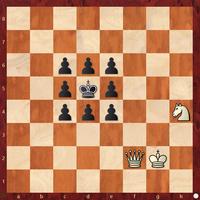
White to Play
This is a prime example of the poor pawn’s disadvantage of only being able to move backwards. Mate in Four. Enjoy Independence Day!
View solution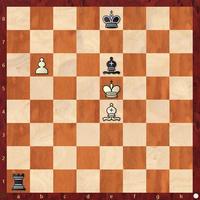
White to Play
You might think White’s task is to draw here; however, White, despite being a rook down, wins this. All Black has to do is give up one of its pieces to draw, but White makes that impossible. To get full credit, you have to play the best defense for Black.
View solution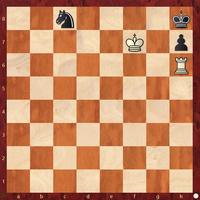
White to Play
There are FOUR mates in three today. The first is the diagram. Then, for your additional amusement, Put the knight on a8 and b8 and e8 for additional mates in three.
View solution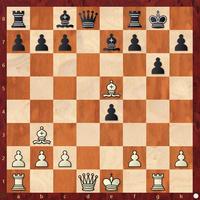
White to Play
All the long-range pieces are ready to jump into action.
View solution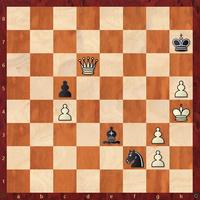
Black to Play
An interesting imbalance. A queen and pawns vs. a bishop and knight and pawn.
View solution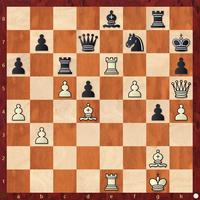
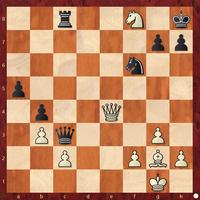
White to Play
White is down in material, so he had better get busy and come up with some way to save the game.
View solution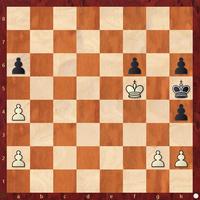
White to Play
This is a mate in seven. Be careful not to stalemate Black. The moves, though, are relatively simple themselves, but need to be timed precisely. In fact, each proper White move forces Blak to play the only legal move on the board. Oh, yes, those pawns on the a-file are there for a reason!
View solution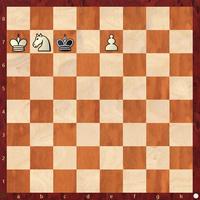
White to Play
William Shinkman called this one of his “elemental” compositions. Mate in 6.
View solution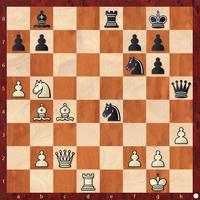
White to Play
A middle game challenge. How do you create an attack as White? No mate. Just a winning position would suffice.
View solution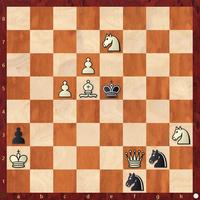
White to Play
This is a mate in two from the 1870s. Theop key first move becomes the precursor for a good many other problems. To solve it, you have to look at the Black king position. Look at where he can and can’t go. When you look at where he can go, then look at the reason the bishop and knights are where they are and what squares they’re attacking. ...
View solution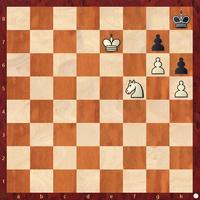
White to Play
Black wants to hide in the corner and hope that White will stalemate him by Kf7 or Kf8, so White has to come up with a different approach.
View solution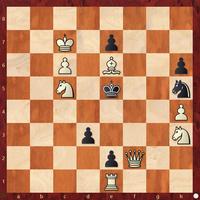
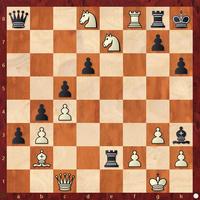
White to Play
See the threats for your opponent and you and decide on the best course.
View solution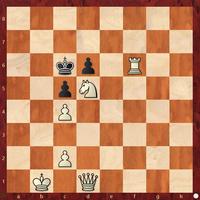
White to Play
An ingenious mate in three. One editor a long time ago wrote, “We do not remember to have ever met with a more pleasing, accurate or difficult conception. The problem contains a number of tries, and the key is obscure and surprising.” --Alain C. White
View solution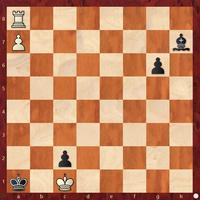
White to Play
Obviously, a rook move wins, but only one square gets a mate in three.
View solution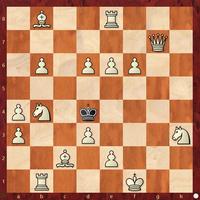
White to Play
You can’t use the excuse that you don’t have enough material! It’s a mate in two. This is an old favorite of mine, especially for kids.
View solution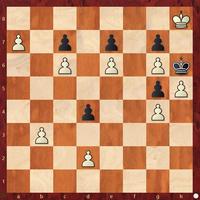
White to Play
It’s a mate in ten! Before you despair about solving such a long problem, take a good look at White’s first move because it’s the key to the whole thing. Lots of fun!
View solution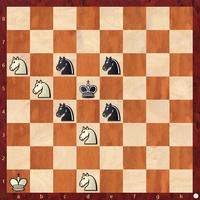
White to Play
A little light-hearted fun. White can mate, but in how many moves?
View solution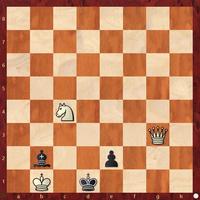
White to Play
To start off the week, here’s a two-move miniature by legendary American composer, Bob Lincoln. The right first move allows Black four legal moves as choices, but they all lead to mate on move two.
View solutionRelated Channels
Comics