Budget conscious tips for keeping your home cool in a heatwave
Published in Home and Consumer News
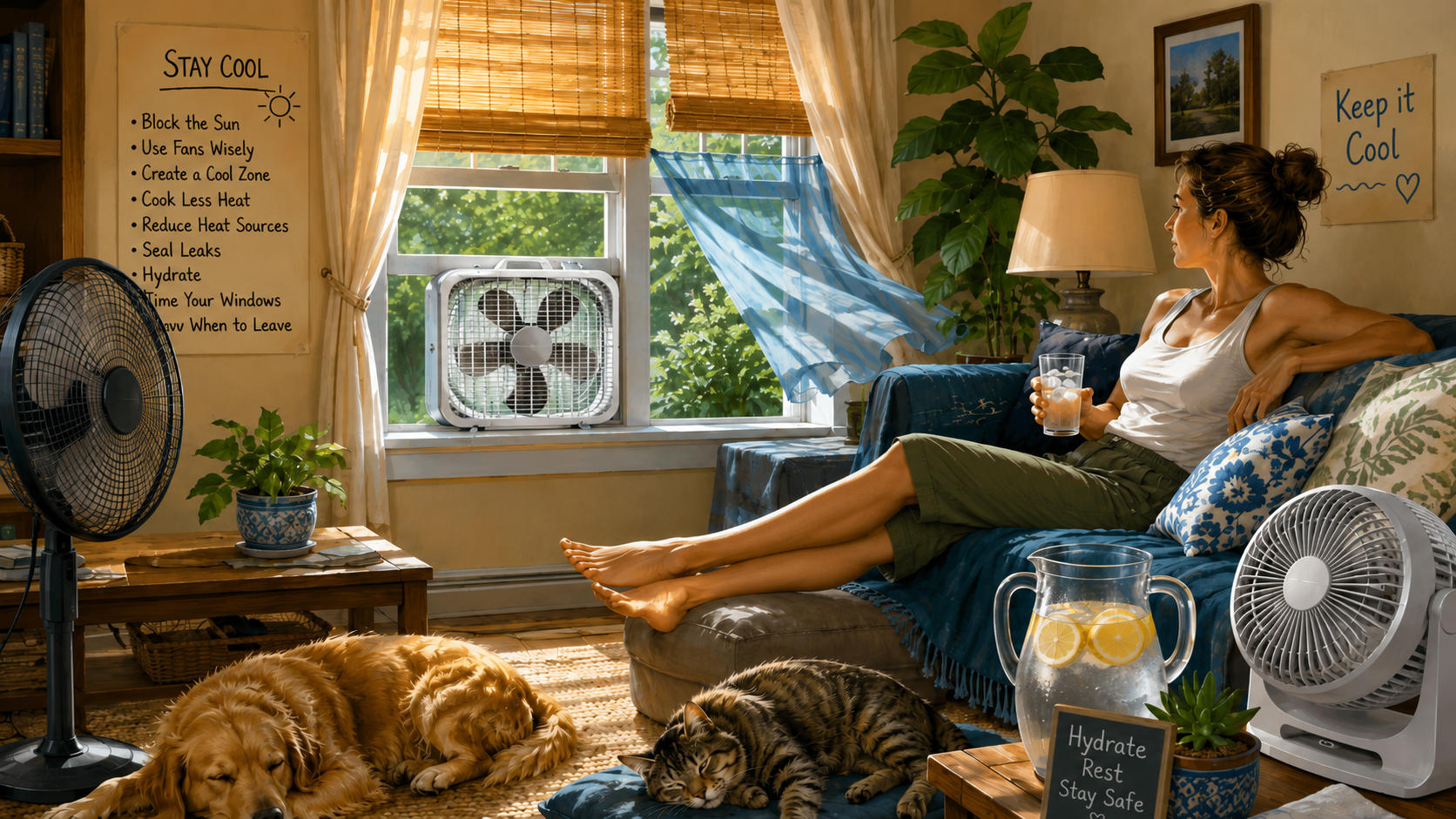
When a heat wave settles in, keeping a home comfortable can feel like a battle between the thermostat and the electric bill.
Air conditioning can be a lifesaver, especially for older adults, young children, people with medical conditions and pets. But running it nonstop is expensive, and not every home has central air. The good news is that small, inexpensive steps can make a noticeable difference. The goal is to keep heat out, move cooler air where it is needed, and avoid adding extra warmth indoors.
Block the sun before it gets inside
Sunlight pouring through windows can quickly turn a room into a greenhouse. One of the cheapest cooling strategies is to close blinds, curtains or shades during the hottest part of the day, especially on south- and west-facing windows.
Light-colored curtains, blackout panels, reflective window film or even temporary cardboard covered with aluminum foil can reduce heat gain. The key is to stop direct sun before it warms floors, furniture and walls. If the outside of the window can be shaded with an awning, tree, umbrella, shade sail or exterior screen, that is even better.
Focus first on the rooms that get the strongest afternoon sun. Keeping one or two rooms cooler can give the household a comfortable place to retreat.
Use fans the smart way
Fans do not actually lower the air temperature, but they help people feel cooler by moving air across the skin. That means they work best when someone is in the room. Turn fans off in empty rooms to save electricity.
Ceiling fans should rotate counterclockwise in summer, pushing air downward to create a cooling breeze. Box fans and oscillating fans can help move air through a room, but placement matters. During cooler morning or evening hours, place a fan in a window to pull in outdoor air. On the opposite side of the home, another fan can blow warm air out, creating cross-ventilation.
When the outdoor air is hotter than indoor air, close windows and keep fans inside. Blowing in hot afternoon air defeats the purpose.
Create a low-cost cooling zone
Instead of trying to cool the entire house evenly, pick one room as a cooling zone. Choose a room on the lowest floor, away from direct afternoon sun, with the fewest windows. Close doors to unused rooms, and seal gaps under doors with towels to keep cooler air where people are spending time.
If you have a window air conditioner or portable unit, use it in that room and keep the space contained. This can be much cheaper than cooling the whole house. Bring in essentials: water, phone chargers, pet bowls, medications, books, fans and a comfortable place to rest.
For households without air conditioning, the cooling zone can still help. Keep it shaded, ventilate it during cooler hours, and avoid adding heat there from electronics, cooking or bright lights.
Cook less, or cook outside
Ovens and stovetops add heat quickly. During a heat wave, shift meals toward foods that require little or no cooking: salads, sandwiches, wraps, fruit, yogurt, rotisserie chicken, canned beans, pasta salad or leftovers that can be eaten cold.
If cooking is necessary, use smaller appliances such as a microwave, toaster oven, electric pressure cooker or slow cooker. They usually add less heat than a full-size oven. Cooking early in the morning is better than heating the kitchen at 5 p.m., when the house is already hot.
Outdoor grilling can keep heat out of the kitchen, but use common sense. Do not grill in garages, enclosed porches or near dry brush, and avoid standing over a hot grill during dangerous heat if it is not necessary.
Reduce hidden heat sources
Many appliances and electronics give off heat. Turn off lights, computers, game consoles, televisions and chargers when they are not in use. Replace incandescent bulbs with LED bulbs if you have not already; LEDs use less energy and give off far less heat.
Delay laundry, dishwashing and vacuuming until early morning or evening. Dry clothes on a rack or clothesline when possible instead of running the dryer. If you must use the dryer, clean the lint trap so it runs efficiently and vent it properly so heat and moisture go outside.
Even small changes add up, especially in apartments or older homes where heat tends to linger.
Seal leaks and keep cool air in
Cool air can escape through gaps around doors, windows, attic hatches and poorly sealed vents. Weatherstripping, caulk, draft stoppers and rolled towels can help keep cooled air inside and hot air outside.
Check around window air conditioners. Gaps beside the unit should be sealed with foam panels, tape or insulation designed for that purpose. A poorly sealed window unit can waste energy and let humid air pour in.
If you have central air, make sure vents are open in the rooms being used and not blocked by furniture or rugs. Replace dirty filters, which can make the system work harder and increase costs.
Use water carefully
Cool showers, damp washcloths and foot soaks can help lower body temperature without lowering the thermostat. A spray bottle filled with water, used along with a fan, can provide quick relief.
Stay hydrated, and make sure children, older relatives and pets have access to water. Avoid relying too much on alcohol or very sugary drinks, which can worsen dehydration.
Be cautious with homemade “air conditioners” using ice and fans. They can offer brief relief in a small area, but they also add moisture as the ice melts. In humid climates, extra moisture can make a room feel worse. Use them as a temporary comfort measure, not a full cooling plan.
Manage windows by the clock
In many places, the coolest air comes shortly after sunrise. Open windows early, use fans to bring in fresh air, then close windows, blinds and curtains before the day heats up. In the evening, reopen windows only after the outdoor temperature drops below the indoor temperature.
A cheap indoor-outdoor thermometer can help. Instead of guessing, compare the two temperatures. If it is hotter outside, keep the house closed. If it is cooler outside, ventilate.
This daily rhythm can make a real difference in homes without air conditioning and can reduce how hard an air conditioner has to work.
Know when to leave the house
Budget-conscious cooling should never mean staying in unsafe heat. If the indoor temperature becomes dangerous, spend part of the day somewhere cooler. Public libraries, malls, community centers, houses of worship and official cooling centers can provide relief.
Check local announcements during extreme heat. Many cities and counties open cooling centers, extend pool hours or provide transportation options. If you have pets, look for pet-friendly cooling options or ask a trusted neighbor, friend or family member for help.
Heat illness can come on quickly. Warning signs include dizziness, confusion, heavy sweating or suddenly no sweating, nausea, headache, rapid pulse and fainting. A person with signs of heat stroke needs emergency help.
A heat wave is not the time to prove toughness. It is the time to be practical. Shade the windows, move air wisely, cool the people instead of every room, and spend money where it matters most. With a little planning, a home can stay safer and more comfortable without sending the electric bill into a full summer meltdown.
========
Calla Brenwick writes about home, weather and practical ways families can handle everyday problems without overspending. She lives in an old house where every season requires a different strategy and at least one good fan. This article was written, in part, utilizing AI tools.







Comments